
Beyond the Walls: Why Nature Is the Ultimate Classroom
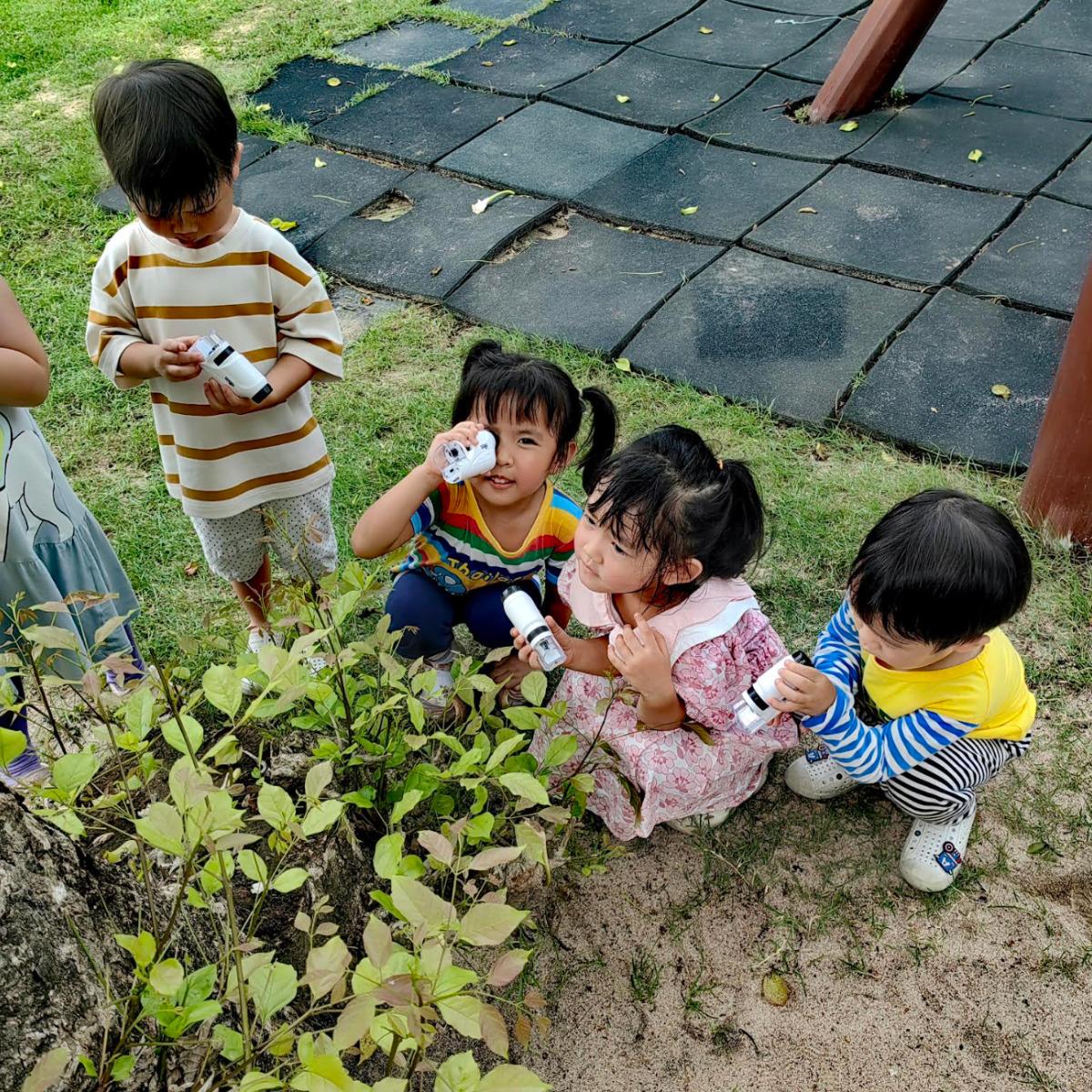
By Teacher Chantal As teachers, we often look for ways to make learning exciting, engaging and impactful for young children. One of the most powerful yet often overlooked classrooms is the great outdoors. Nature provides a hands-on environment where curiosity can flourish, creativity can thrive and students can learn in ways that connect with their senses and emotions. Why nature can be considered the ultimate classroom for young children: 1. Encourages Curiosity: Spending time in nature sparks curiosity in young children providing them with an opportunity to explore, ask questions about their surroundings and discover how the world works.  2. Hands-on Learning: Nature provides countless opportunities for hands-on learning. Through interaction with nature, children can use their senses to investigate the natural world by touching leaves, looking at insects or listening to sounds made by birds. 3. Promotes Physical Activity: Learning in nature involves physical movement such as running, climbing trees and walking which promotes motor skills and overall health in children. 4. Teaches Responsibility: Young children develop a sense of responsibility through taking care of the environment, plants and animals. Children can learn about ecosystems, conservation and the importance of protecting the planet. 5. Nurtures Creativity: The natural environment offers endless opportunities for hands-on exploration and unstructured play. Young children can use materials found in nature to construct and create objects encouraging creativity and problem solving skills. 6. Promotes Social Skills: Learning in nature fosters cooperative play. Children can work in groups and share resources which helps develop teamwork and communication skills. 7. Encourages Multidisciplinary Learning: Nature as a classroom can combine various subjects, including science, art, math, and language. Students can identify animals and plants outdoors as part of learning Science, observe patterns in nature during a Math activity and write or draw about their experiences by learning about art and language. It is important to keep in mind the power of outdoor learning. When we step outside, we give children the opportunity to thrive in the most beautiful classroom of all – the natural world.