Sensory Integration and Social Skills
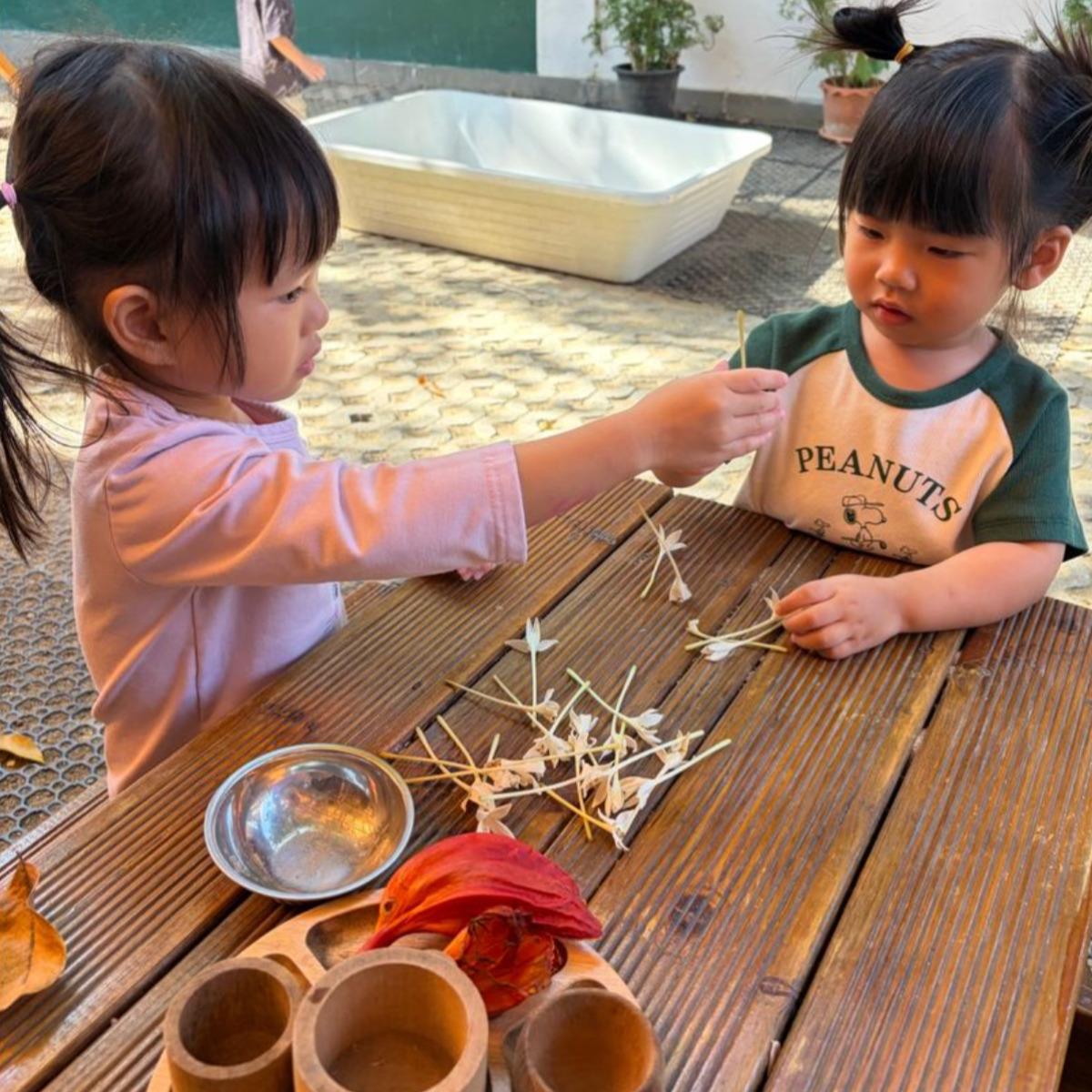
Sensory integration plays an essential role in a kindergarten child’soverall development and learning. At this age, children explore the worldprimarily through their senses—touch, sight, sound, movement and balance.Sensory experiences help children process information, regulate emotions andimprove focus which supports learning and daily routines. Sensory integration is closely linked to social skills development.Through shared sensory play, children learn turn-taking, sharing, cooperationand communication. For example, parents can encourage social interaction athome by inviting siblings or friends to play with playdough, kinetic sand, orwater tubs. Taking turns pouring, squeezing and building helps children practicepatience and teamwork. Cooking together is another effective sensoryactivity—mixing ingredients, touching different textures and following simpleinstructions promote cooperation and listening skills. Movement-based activities also support sensory and social development.Parents can play simple games such as passing a ball back and forth, dancing tomusic or creating a small obstacle course using pillows and chairs. Theseactivities help children develop body awareness while learning to follow rulesand interact positively with others. By providing regular sensory experiences at home, parents can supporttheir child’s ability to manage emotions, build confidence, and develop strongsocial skills in a fun and meaningful way.