By Teacher Marcelo
Movement plays an essential role in children’s development during the Early Years. Long before children begin to write, cut with scissors, fasten buttons, or use tools with precision, they are developing the strength, coordination, balance, and body awareness that make these smaller movements possible.
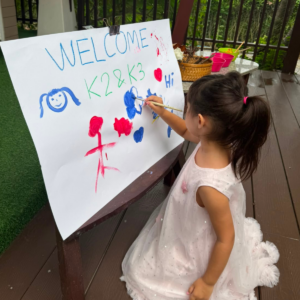
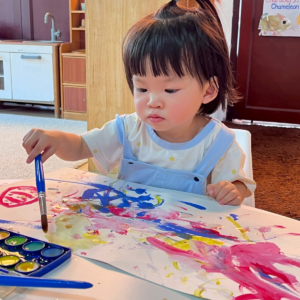
Motor development is often divided into two areas: gross motor and fine motor skills. Gross motor skills involve the larger muscles of the body and include movements such as running, jumping, climbing, balancing, pushing, pulling, and crawling. Fine motor skills involve the smaller muscles of the hands and fingers and support everyday tasks such as drawing, using cutlery, building, dressing, threading, and eventually writing.
Although we often think about these areas separately, they are closely connected. When children climb, crawl, carry, push, pull, or balance, they are strengthening their core, shoulders, arms, and overall body control. This physical foundation helps children develop the stability and coordination needed for increasingly precise movements with their hands and fingers.
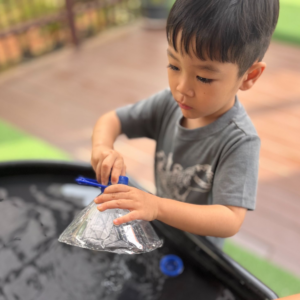
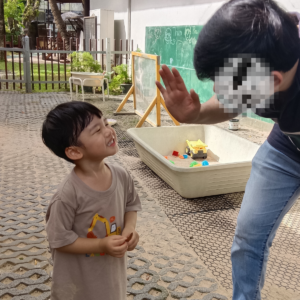
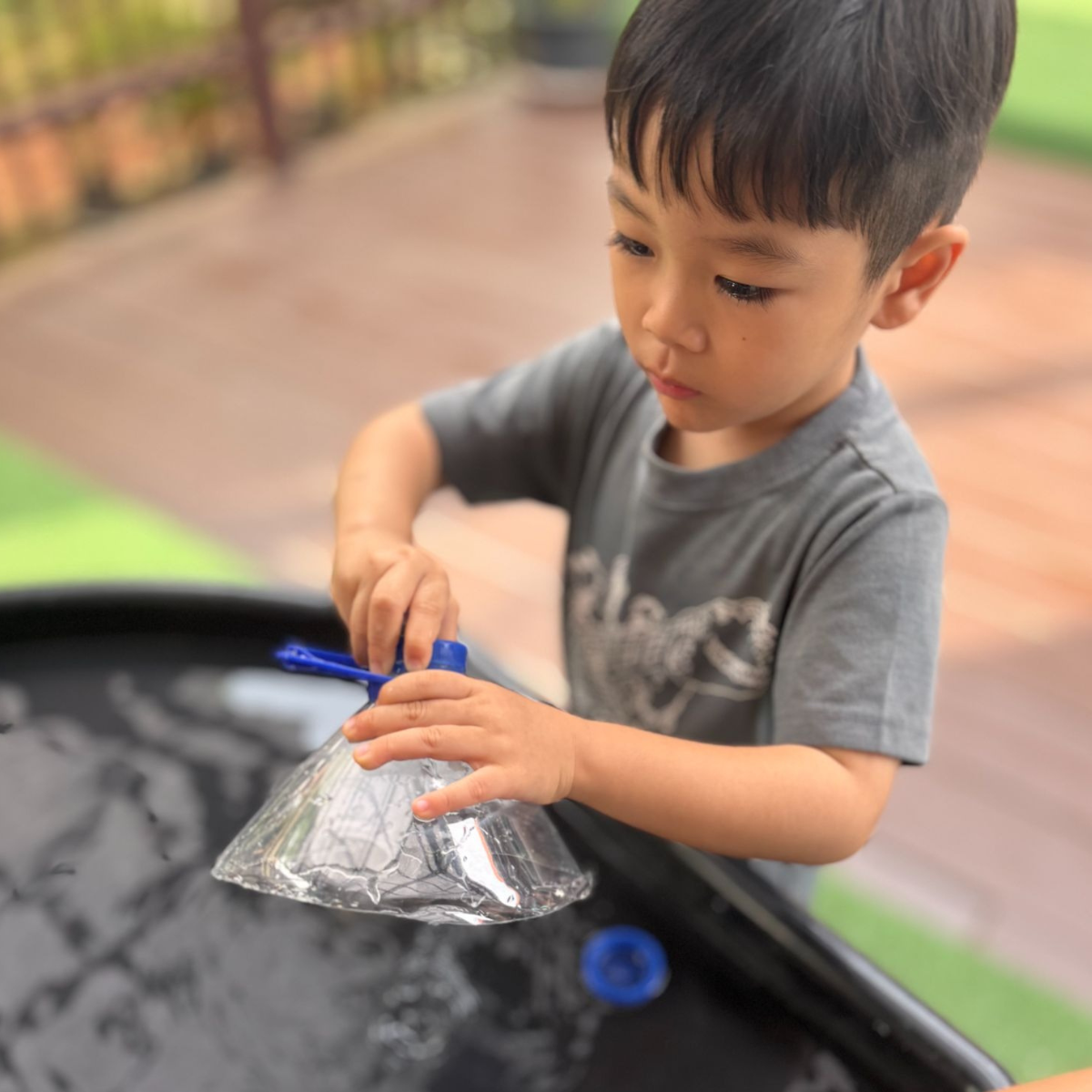
In Early Years, children develop these skills most naturally through play and everyday experiences. A playground offers opportunities to climb, balance, run, and take safe physical risks. Indoors, children can build with blocks, manipulate playdough, use tongs, thread objects, pour water, open containers, or use pegs. These simple experiences encourage children to explore what their bodies can do while gradually developing greater control and confidence.
Supporting motor development at home does not require expensive equipment or specially prepared activities. Many of the best opportunities are already part of everyday family life. Cushions can become stepping stones, a line of tape can become a balance path, and a laundry basket can become something to push or pull. Children can also help carry light shopping bags, water plants, prepare food, pour their own drink, peel fruit, open their lunchbox, or get dressed.
These everyday moments are particularly valuable because they develop more than physical skills. When children are given time to try things independently, they also practise problem-solving, persistence, concentration, and self-confidence. Something as simple as putting on a shoe or opening a container can become an important learning experience when adults resist the temptation to immediately do it for them.
It is also important to remember that motor development looks different for every child. Activities can be adapted to meet children at their current stage of development. A larger object may be easier to grasp, a shorter distance may make a movement challenge more achievable, and an adult hand may provide the confidence needed to attempt something new. The aim is not perfection, but participation, exploration, and gradual progress.
Following children’s interests can make these experiences even more meaningful. A child who loves animals might move like a frog, bear, or crab. A child interested in dinosaurs could rescue small dinosaurs using tongs. A child who enjoys water might pour, squeeze, scoop, and transfer between containers. The play can change while the developmental skill remains the same.
Perhaps most importantly, supporting motor development does not need to become another task for families to fit into an already busy day. Five or ten minutes of meaningful movement, opportunities to help with everyday routines, and regular outdoor play can provide rich opportunities for development.
By giving children time and space to move, explore, repeat, experiment, and try things for themselves, we help them develop not only stronger bodies and more capable hands, but also confidence in what they can do.
Move. Explore. Repeat. Play. Sometimes the simplest experiences provide the richest learning.