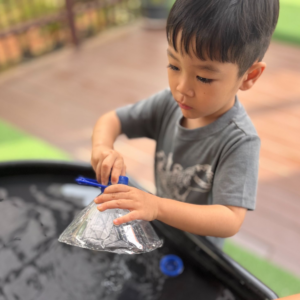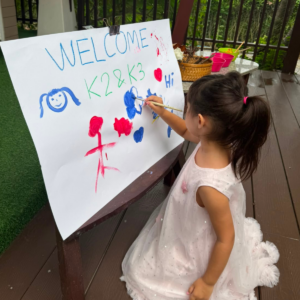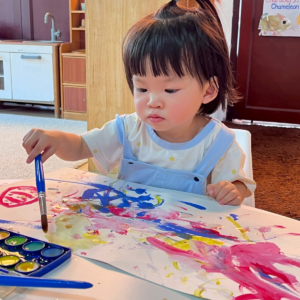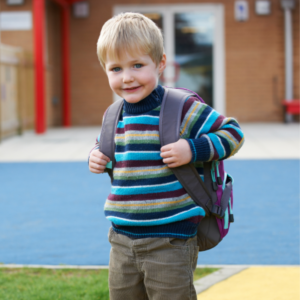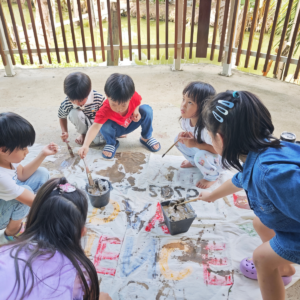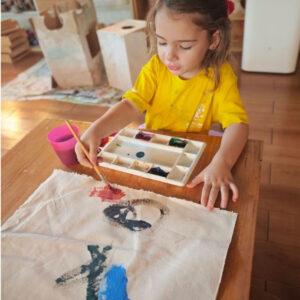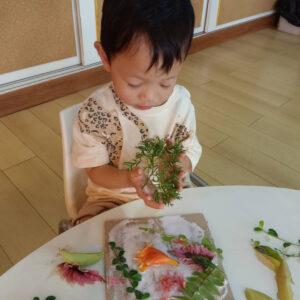
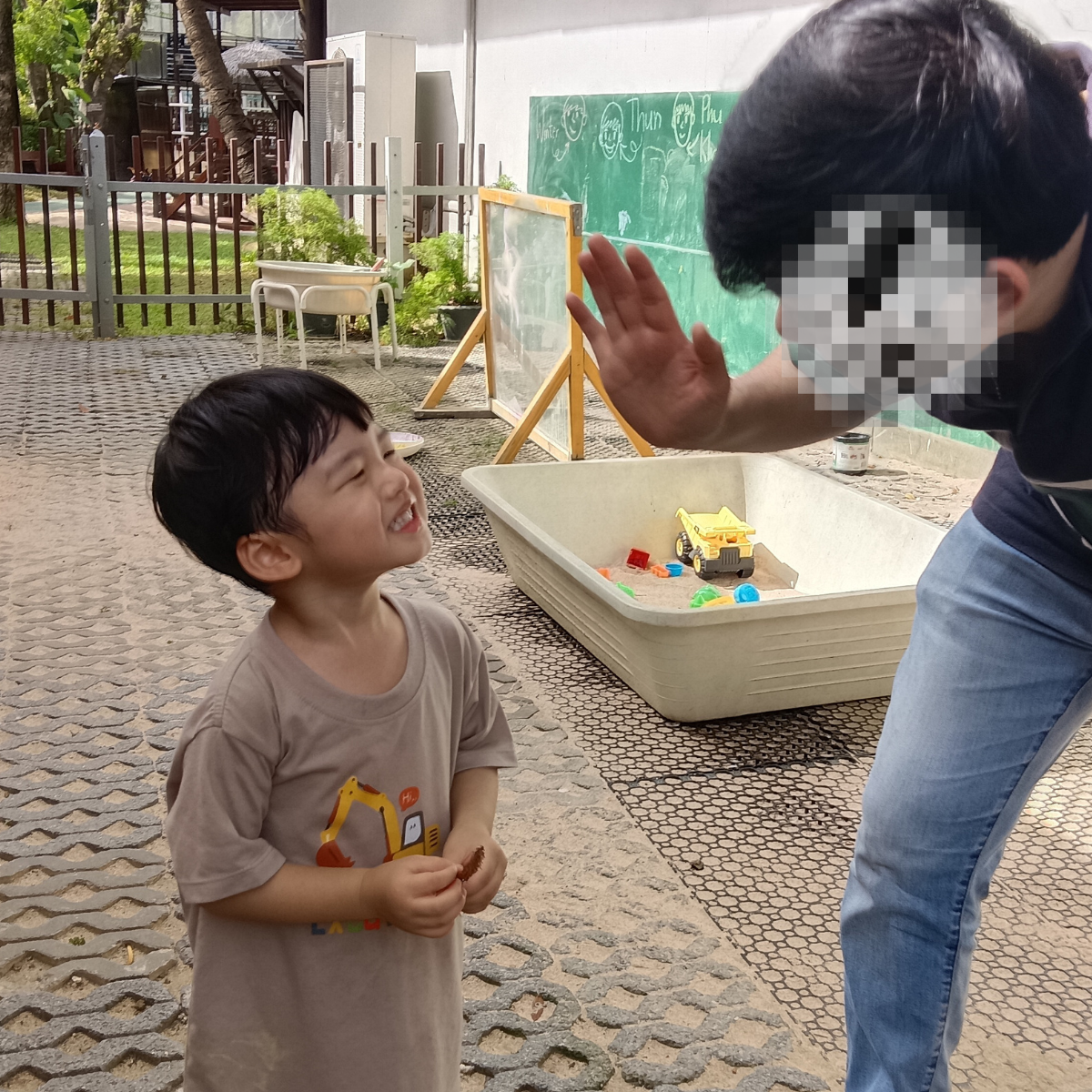
The importance of building good daily routines for your child is connected to your child’s social-emotional, cognitive development, independence, and development of healthy habits. Your child’s formative years are the time to create routines to provide structure and a sense of security.
For young children of toddler age facing separation anxiety, the building of a good daily routine is crucial. Suggestions for effective routines for toddlers before arriving at school are:
- Make sure your child gets a good rest. Children who rest well do better in learning and face anxiety better.
- Teach hygiene habits of cleanliness: washing hands, brushing teeth, dressing. It is important to help your child feel responsible by having a routine and giving choices such as by asking “Which T-shirt would you like to wear to school today?”
- Have a balanced breakfast with fruits, grains, proteins, etc. This is important for your child’s physical and mental energy.
- Talk positively about things at school. Speak positively about his teachers and about your child’s ability. Negative talk to the child, such as saying, “I know he will cry.” is essentially telling the child, mom said, “I will cry, so I will cry.”
- Arrive early enough at school for your child to get comfortable. Just imagine arriving late at a social gathering and how you may have felt overwhelmed wondering who is who and where you fit. Then imagine arriving early and you get to see it all come together and know where you fit. It is better to have you and your child arrive early to feel in control.
- Let your child get engaged in play of their own choice or communicate with his or her teachers and let them help your child get engaged. Follow your child’s choice of what they prefer to play.
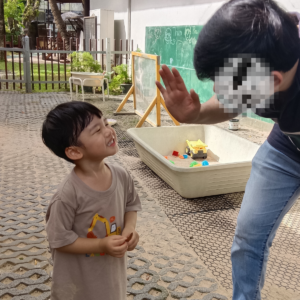
- When it is inside time, make your good-bye short and positive. Remain calm and smile no matter what you feel. Wave and always reassure your child, you will return soon. Your child will study your face and eyes to be reassured that you trust their safety.
- Always return back on time. Not being there will bring disappointment to your child’s expectations and it is difficult at this age to understand how time works even if it is only a few minutes. If it must be, please keep the teacher informed so she can reassure your child before it happens.
Children who are older thrive from routines as they develop independence and stability and a sense of control in structured environments such as school time.
- Children understand what will come next. For example at school they have a daily routine which may include group time, snack time, recess, core subjects, library, etc.
- Daily routines will support their development in school subjects such as language, reading, writing, physical education in gross and motor skills, cognitive development in art, science, projects and others like music.
- Routine develops responsibility and supports independence through the ability to pack your own bag, get dressed, tidy-up and care for belongings. These eventually become second nature habits which help a child become independent and responsible.
Additional Home routines for children include:
- Family time: Playing, reading, doing a simple project together helps to develop social skills.
- Meal time: Routine meals together develop good table manners and family bonding.
- Family chores: Tidying up toys, setting a table or caring for a pet develops a sense of responsibility and gratitude.
An old Latin proverb said it best, “From small things proceeds that which is great.”
That is what a simple routine is, great work. Enjoy your child’s routines!