In a world filled with screens, schedules, and structured activities, children benefit
deeply from opportunities to slow down and simply play. One of the most powerful
ways to nurture creativity and curiosity is through imaginative play with natural
materials. Nature offers an open-ended playground where children can explore,
create, and make sense of the world around them in meaningful ways.
Unlike manufactured toys with specific purposes, natural items such as sticks,
leaves, stones, sand, and water invite children to use their imagination freely. A stick
can become a magic wand, a fishing rod, or even a writing tool. Leaves might
transform into pretend money, food, or decorations for a make-believe home. This
kind of play encourages flexible thinking, problem-solving, and storytelling which are
skills that are essential for lifelong learning.
Outdoor environments also stimulate the senses in ways indoor settings often
cannot. The feel of cool water, the texture of rough tree bark, the sound of rustling
leaves, and the smell of fresh grass all contribute to a rich sensory experience.
These moments help children stay present, grounded, and engaged. When children
interact with nature, they are not only playing, they are learning to observe, question,
and connect.
Supporting imaginative play with nature does not require elaborate setups. Simple
invitations can be incredibly effective. A basket of natural “loose parts” placed in a
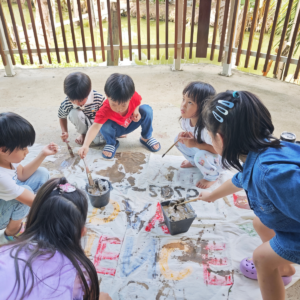
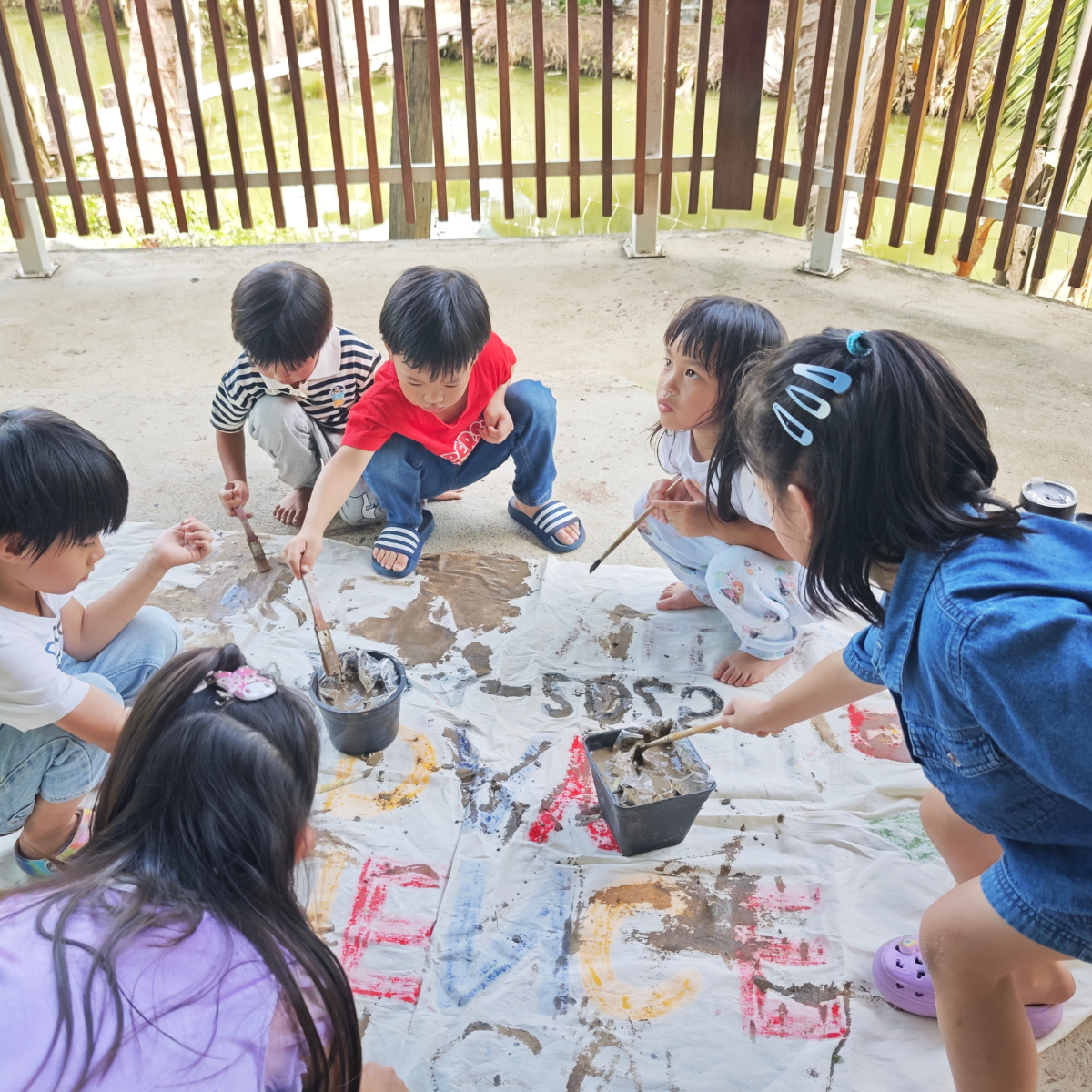
play area can spark endless creativity. Adding elements such as water, mud, or sand
can further enhance the experience, encouraging exploration and experimentation.
Adults can support this play by providing time, space, and gentle encouragement
without directing the outcome.
It is also important to allow children the freedom to take risks and make decisions.
Climbing a tree, building a structure with sticks, or navigating uneven ground helps
develop confidence, resilience, and physical coordination. These experiences teach
children to assess situations and trust their abilities.
Ultimately, imaginative play with nature supports the child, socially, emotionally,
physically, and cognitively. It fosters a sense of wonder and respect for the
environment while allowing children to express themselves. By valuing and
encouraging these experiences, we give children the tools to think creatively, adapt
to challenges, and find joy in the simple beauty of the natural world.