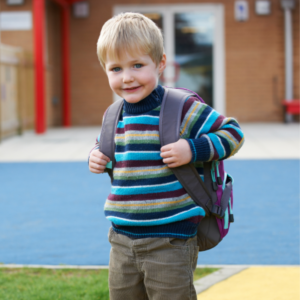
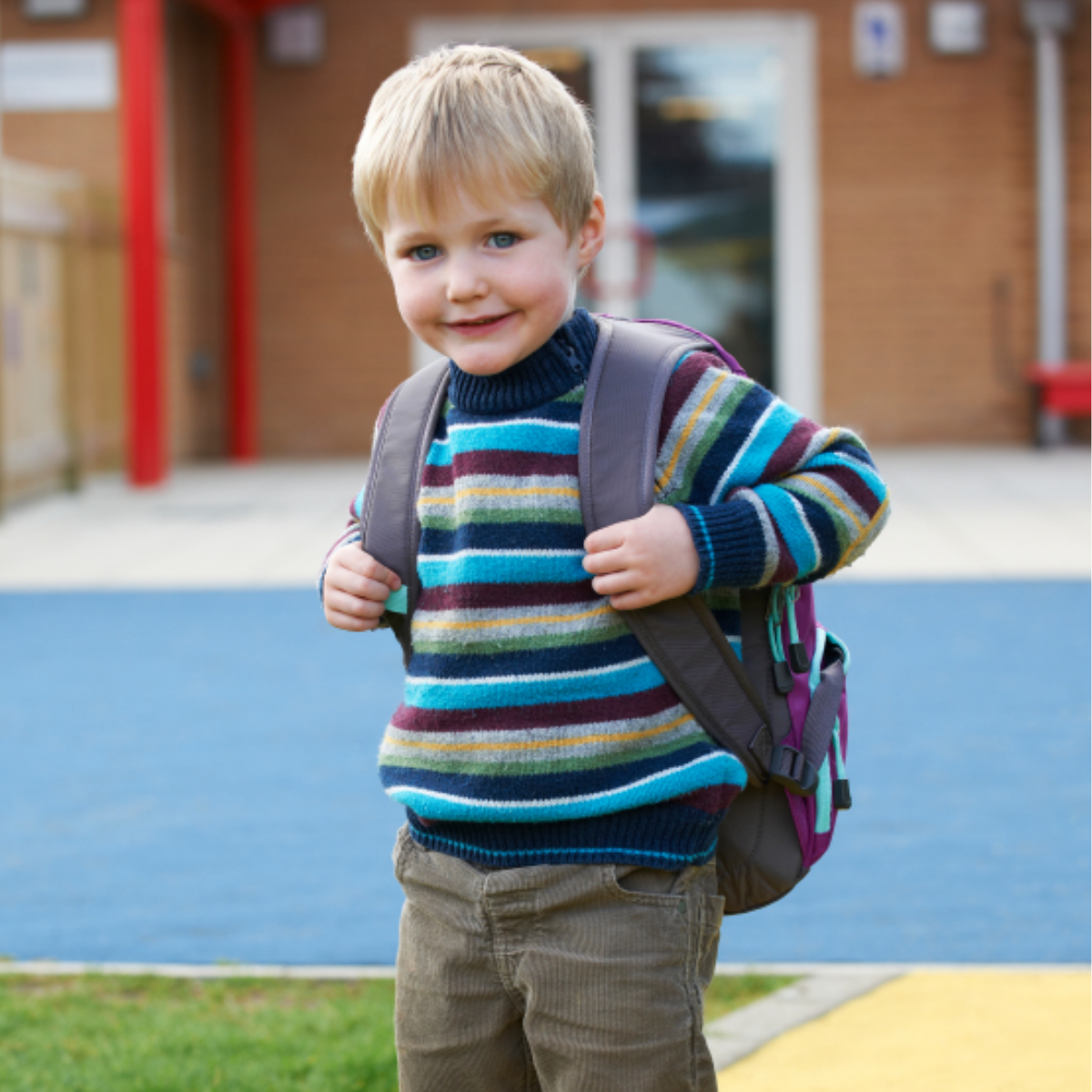
As the long summer holiday comes to an end teachers, students and parents are beginning to prepare for the start of a new school year.
This is an exciting time but whether your child is starting school for the very first time or going back to a new year group there may be some “back to school jitters”. This is normal feelings of worry or nervousness about new routines, new teachers and new friends.
The good news is that there are strategies you can use to support your child to have a smooth and comfortable transition into school.
The first thing to do is talk about it – acknowledge the feelings that your child is having and let them know that it is perfectly ok to feel both excited and nervous. Discuss specific things that are causing any anxiety and things that your child should expect to happen through the school day.
Next – get the sleep and wake up routine that your child will need to follow started before the school year starts. Establish the same bedtime routine and morning routine daily and be consistent in following it. Also try to have meal times align with the schedule they will follow at school.
If your school offers any type of orientation, or a back to school visit that allows the family to visit the school together prior to the first day take advantage of that opportunity and go.
For the parents and guardians, if this is your child’s first time or if they are still young expect there may be tears, resistance and exclamations of “I don’t want to go to school”. Again, acknowledge your child’s feelings and remind them of the fun and exciting things that will happen at school.
Teachers often talk about the “delayed separation anxiety” that they observe in many students every year. It goes like this – the child separates from their caregiver with ease and goes home happy everyday for the first week or two of school, and then second or third week – same child is crying and clinging at the gate and professing loudly they hate school! This is a normal reaction caused by built up fatigue, the novelty of going to school has worn off, and the realization that this is a long-term routine has set in.
The best way to approach this is keep the routine – do not keep your child home from school, keep your goodbyes brief and positive, acknowledge your child’s feelings but reassure them with confidence that you know they can do this.
It is also a good idea to keep communication with your child’s teacher open and honest – your teacher will have met with all types of back to school jitters and will know how to support your child and you through the transition process.
Now let’s get ready to get this school year started!