When sharing stories with three and four-year-olds, it’s easy to wonder what they truly
understood. Did they follow the story? Did anything stand out to them? At this age, children
often know more than they can explain in words. Adding a simple drawing activity after
storytelling offers a gentle and meaningful way to see how a child experienced the story.
Young children are still developing language, so retelling a story verbally can feel
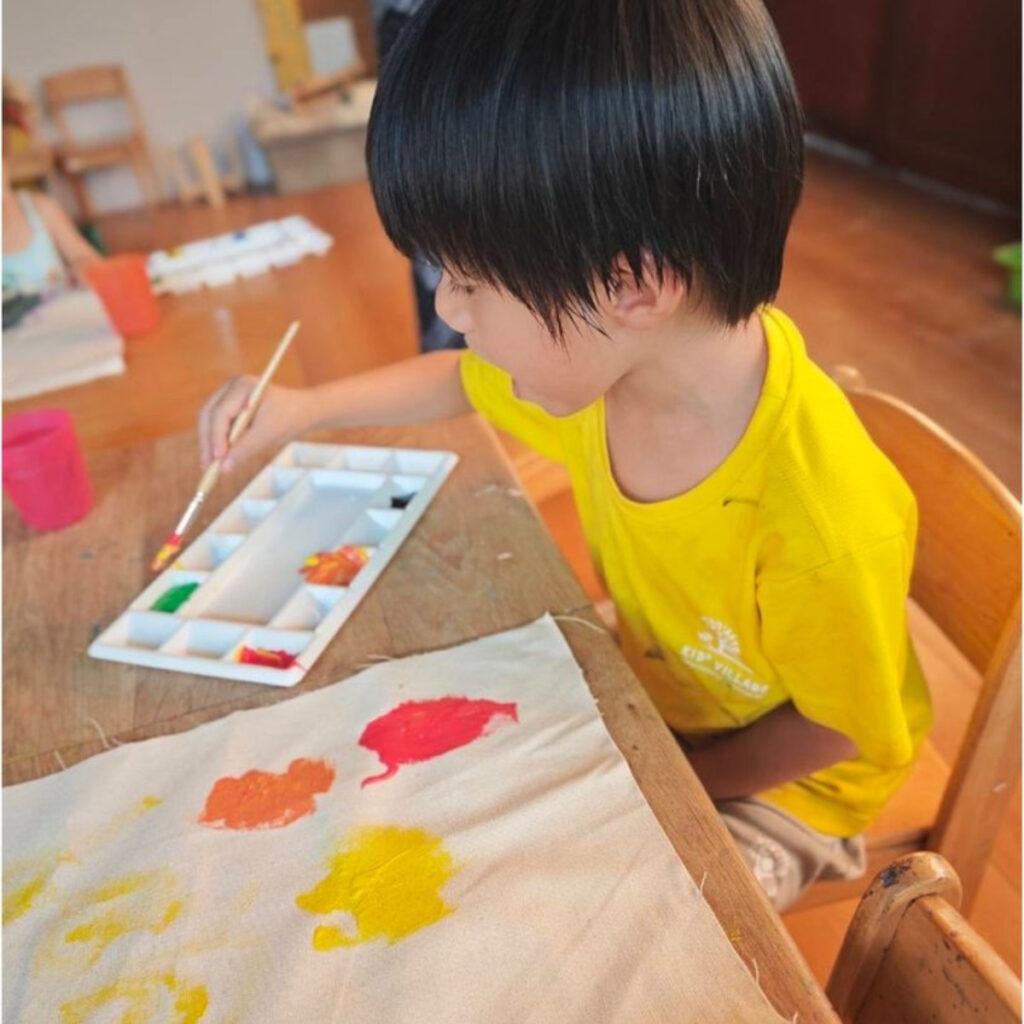
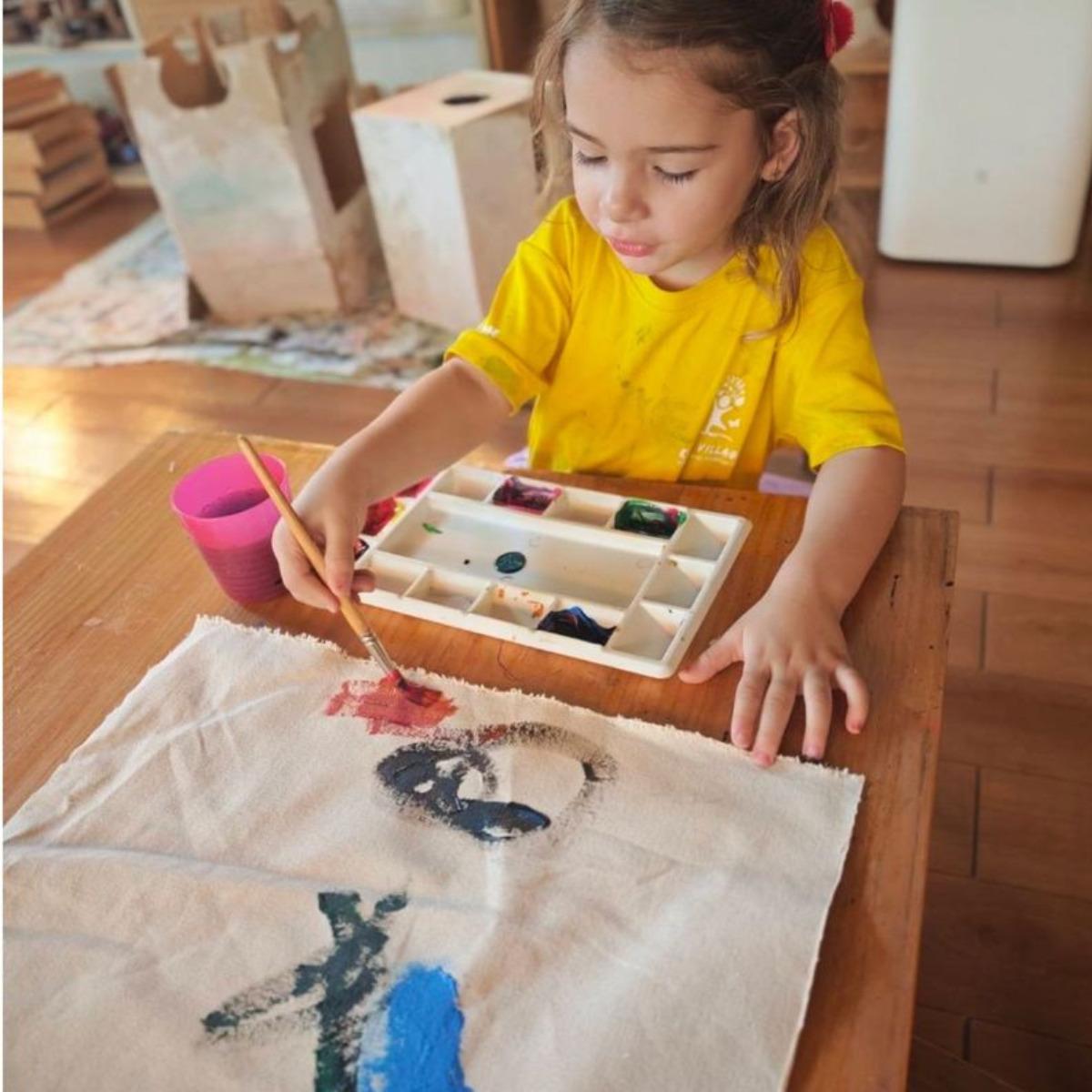
challenging. Drawing gives them another option in expressing themselves. Through pictures,
children naturally show what captured their attention, what they remembered, and what felt
important. A drawing can reveal details that might never appear in conversation.
The elements children choose to draw are often full of meaning. A child who draws a specific
character may be showing emotional connection. Another who draws a particular moment
may be demonstrating an understanding of sequence or cause and effect. Even imaginative
additions (details that were not in the story)can reflect how a child is blending the story with
their own experiences.
Every drawing tells a different story, even when children hear the same book. This variety is
not about right or wrong understanding, it reflects how each child processes stories in their
own way. Some children focus on action, others on relationships or feelings. These
differences help parents learn how their child thinks and what matters most to them.
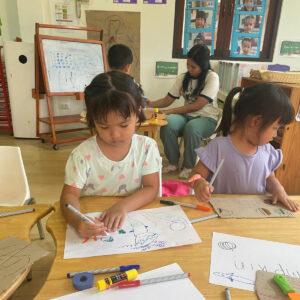
Drawing after storytelling also invites calm reflection. As children turn words into images,
they revisit the story in their own time. When parents ask open-ended questions like, “Can
you tell me about your picture?” children often share rich explanations, surprising insights,
and new vocabulary without feeling tested or corrected.
Perhaps most importantly, this shared moment builds connection. Sitting together, listening,
drawing, and talking sends a simple message: your thoughts are valued. There is no need to
analyze or guide too much. Observing and listening is enough.
In the end, adding a drawing activity after storytelling is less about creating artwork and more
about understanding. It gently opens a window into how a child remembers, feels, and
makes meaning of stories,turning an everyday moment into a quiet opportunity for learning
and closeness.